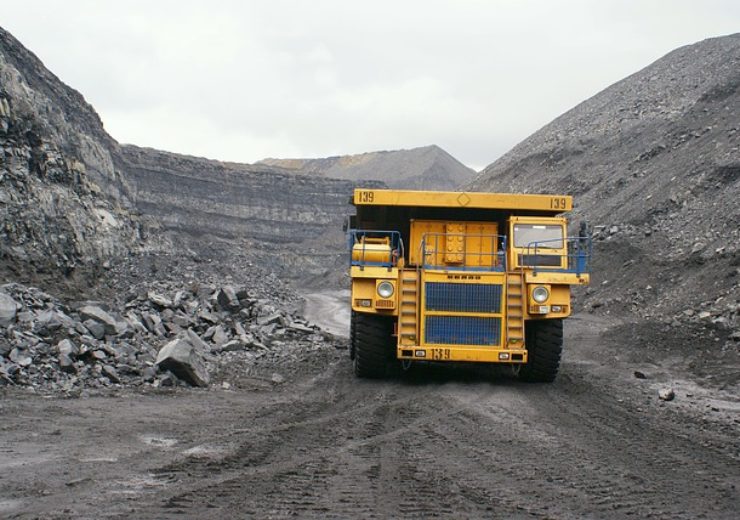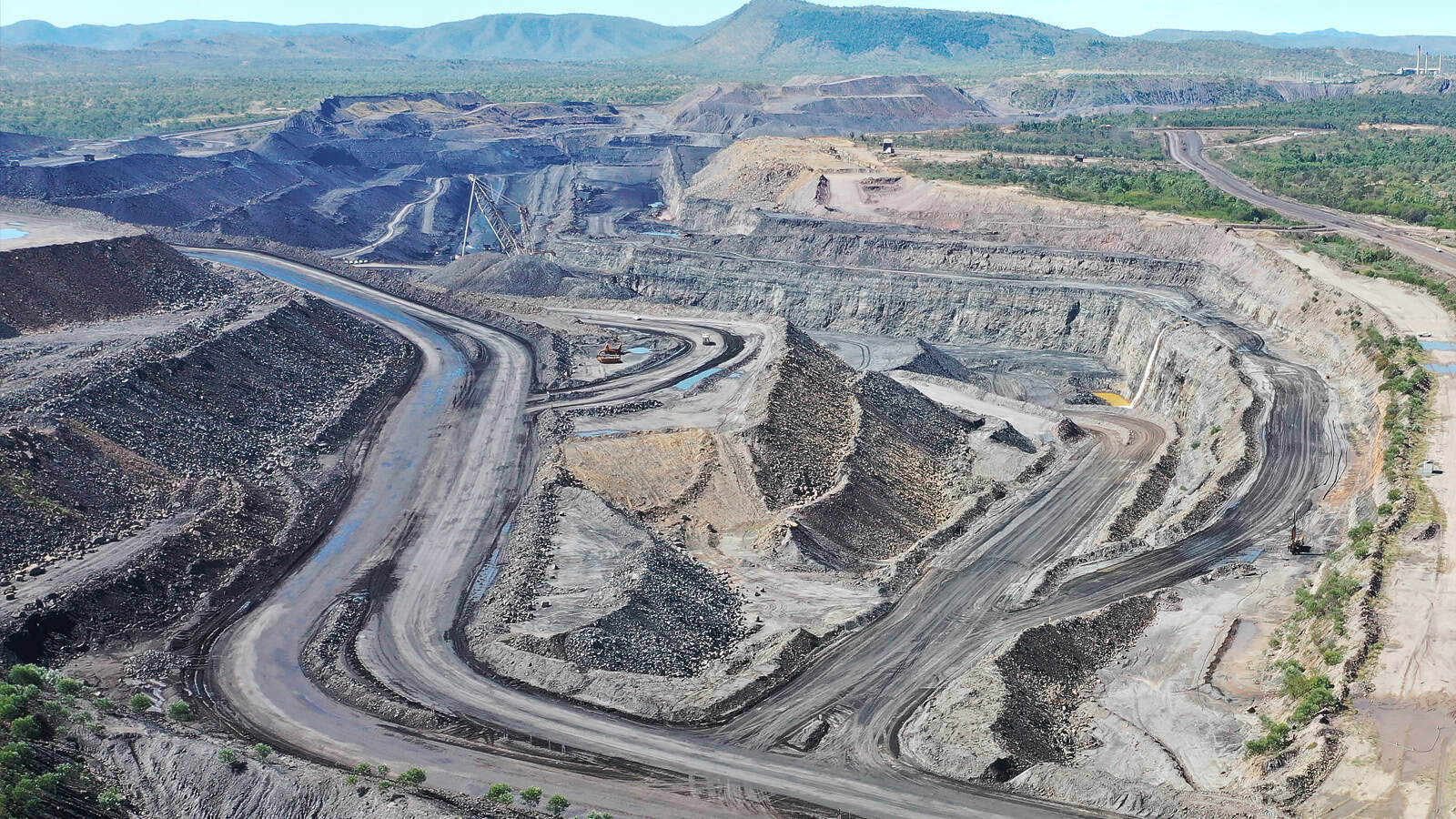
Communication blind spots on a remote mine site rarely have a single cause. Terrain, distance, harsh conditions and the original network design can all play a part. On a site that is expanding or changing, one factor tends to make the others worse: the mine changes shape faster than fixed communications infrastructure can follow.
Those gaps do not usually announce themselves. A radio that worked last month becomes patchy at the bottom of a new cut. A monitoring system drops out for part of a shift. A vehicle loses connection at the far end of a haul road that did not exist when the network was designed. On their own these look like small faults. Together they can be early signs that the network no longer matches the site it is meant to cover.
Six factors behind mine site communication blind spots
Coverage problems on remote and changing sites often trace back to a few recurring factors. Most sites will see more than one at the same time.
Why mine site coverage gaps widen as a site expands
When a new zone opens, the usual path to permanent coverage has several steps: identify the gap, raise a request, gain approvals, complete civil works, install and commission. Each step takes time. By the time fixed coverage arrives, mining may already have moved on.
By the time fixed coverage arrives in a new zone, mining may already have moved on.
In the meantime, crews work in an area where voice and data are unreliable. Emergency communication is harder. Monitoring systems lose their link. Some safety systems, such as collision avoidance, run onboard the vehicle, but the data they produce still needs a network to reach the people monitoring it. A coverage gap in a new production area becomes a risk the site has to manage, not just an inconvenience.
Why more radios or towers do not always fix coverage gaps
When a blind spot appears, the natural response is to add hardware: another radio, another repeater, another tower. Sometimes that helps. Often the problem is not how much equipment is on site. It is that the equipment cannot follow the work.
Fixed infrastructure is the right backbone for a mine. It provides stable coverage for established areas and should carry most day-to-day communications. What it cannot do is move at the pace the site moves. A fixed mast covers where it was installed, not where mining has since advanced.
An architecture question, not just an equipment question
The network needs a stable core for the parts of the site that are not going anywhere, and a way to extend coverage quickly into the parts that are.
How to close coverage gaps on an expanding mine site
Two design principles make a difference on a changing site.
1. A self-healing mesh network that reroutes around failure
The first is a network that reroutes around failure rather than relying on a single path. When coverage is built from connected nodes that can each pass traffic, losing one node does not take down the area it served. Traffic finds another route. This self-healing behaviour is what turns a collection of devices into a resilient network.
Acubis works with a number of communications platforms, including Rajant and Meshmerize. The right approach depends on your site. For a resilient, self-healing network, the design draws on proven industrial mesh technologies matched to the conditions, rather than a one-size-fits-all product.
2. A mobile communications trailer that moves with the work
The second is infrastructure that can move with the work. Relocatable communications units can be deployed into a new area quickly, repositioned as the site changes, and connected into the wider network. They extend coverage to where the work is, then move when it moves.
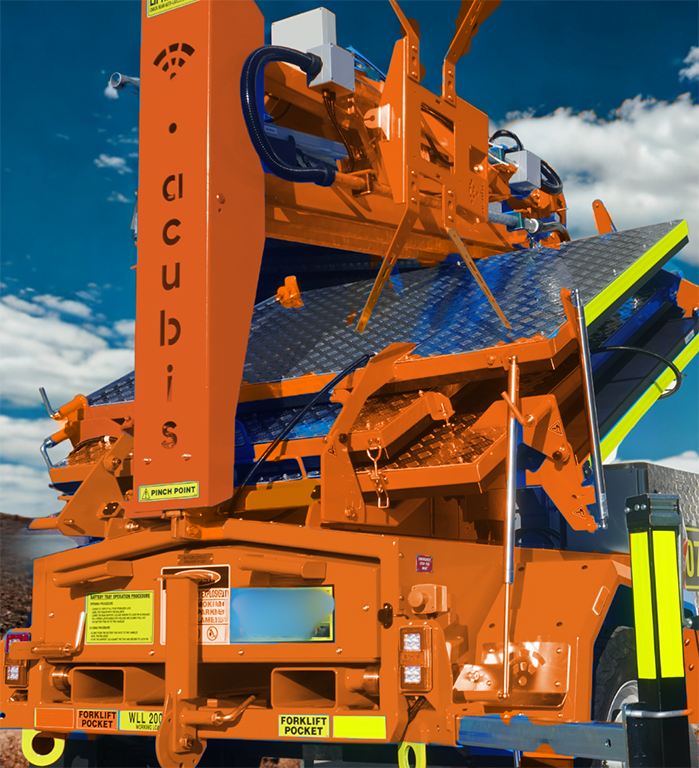
This is the role the FieldLink Mobile Communications Trailer is built for.
On site
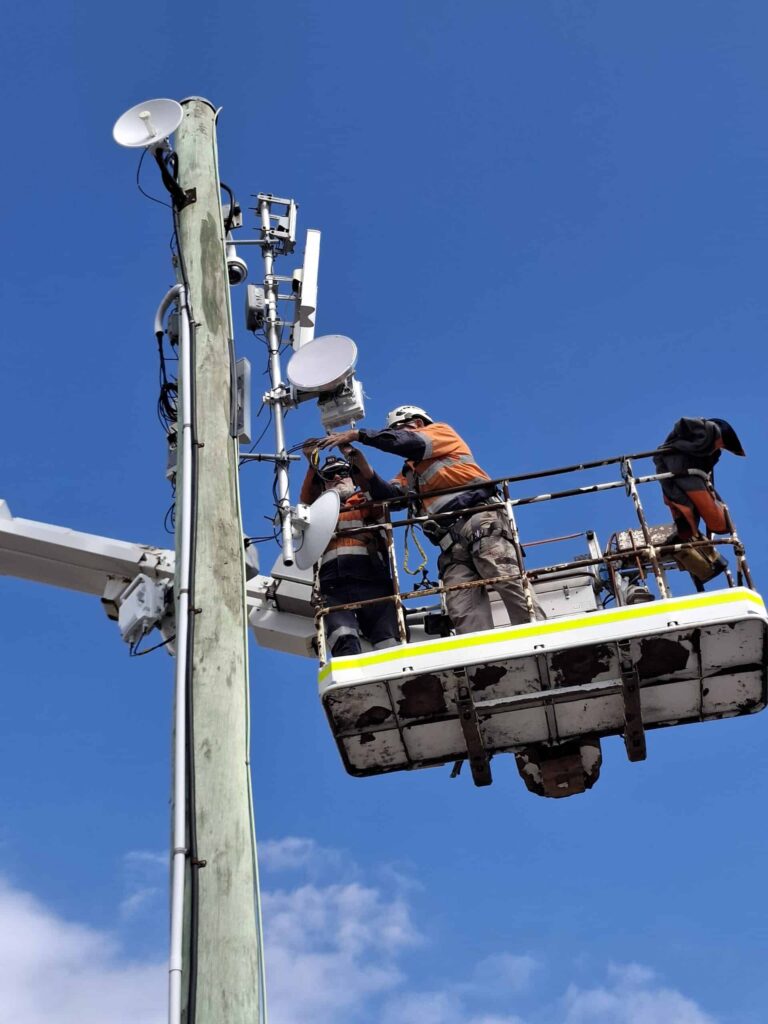
On one open cut coal operation in New South Wales, Acubis upgraded the site’s links using existing poles rather than building new towers, and delivered three FieldLink 2S trailers so coverage could extend into areas that change as mining progresses.
How to evaluate remote mine site communications for a changing site
If your site is growing or changing, these five questions help separate a network that will keep up from one that will not.
Fixed and mobile communications that keep pace with the site
A blind spot is not always a sign that the wrong equipment was chosen. Often, it means the site has moved and the network has not. The answer is rarely more hardware for its own sake. It is a stable fixed core combined with infrastructure that can follow the work, designed and supported by a team that knows remote mining conditions.
Acubis is a remote communications specialist with over two decades in the field, designing, supplying and supporting communications infrastructure for Australian mining and resources operations.
Mine site communication blind spots: frequently asked questions
Several factors can contribute. Common ones include changes to the site since the network was designed, blocked line of sight from terrain and equipment, limited power and backhaul on remote sites, shared points of failure, wear from harsh conditions, and demand in areas the network was not sized for.
Sometimes, but not always. Fixed infrastructure works well for established areas but cannot move at the pace a working site moves. Closing gaps on a changing site often depends on a resilient core plus relocatable infrastructure that can follow the work.
A mobile communications trailer is a self-contained, relocatable unit that carries communications equipment, power and a mast, so coverage can be deployed into a new or changing area and moved as the site changes. The Acubis FieldLink is a solar-powered, RPEQ-certified example designed for mining environments.
It depends on the unit and the site’s access requirements. The Acubis FieldLink is designed for one-person setup in under 10 minutes.
No. Relocatable infrastructure works alongside a fixed network. Fixed infrastructure provides a stable backbone for established areas, while relocatable units extend coverage into areas that are new, changing or temporary.